
Southbound I-5 through the Rose Quarter closes today for up to five weeks of repairs on a two-mile stretch of highway. If you're reading this from a parking lot on Interstate Avenue, our condolences. Anyway. Onto money that moved: a school district that spent a decade asking voters for building bonds, and now wants to close the buildings.
In today’s case file:
Let's follow the money. 🕵️
P.S. Forwarded this? Get your own case file every Friday. It's free.
PPS BUILT THE BUILDINGS. IT CAN'T STAFF THEM.
Four Bonds, Twenty Empty Rooms
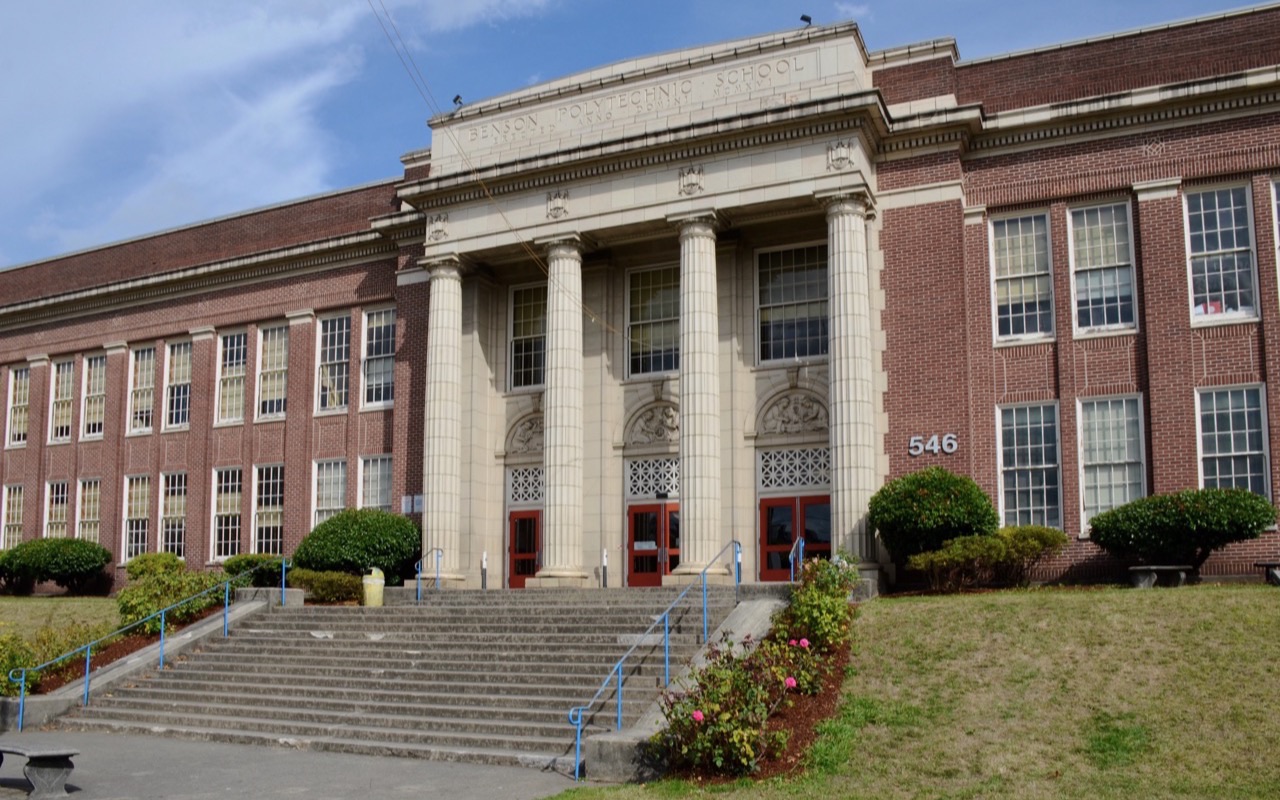
Over 13 years, Portland voters approved four construction bonds for Portland Public Schools, each pitched as an investment in the buildings where the district's kids learn. The funds for these retrofits come from construction bond measures approved by voters: $482 million in 2012, $790 million in 2017, and $1.2 billion in 2020, with additional funding coming from the state's Seismic Rehabilitation Grant Program. The $1.83 billion school bond voters passed in May was accompanied by intense pressure from parents for that money to include funds for seismic retrofits. On top of the bond money, the federal government sent PPS pandemic relief: the projected overall ESSER funding awarded to the District and its partners is almost $115 million.
PPS now wants to close up to 20 of its 81 schools. Portland Public Schools is moving toward a school closure and consolidation process that could shutter between 10 and 20 of the district's 81 buildings, with a board vote scheduled for early December 2026 and closures taking effect in the 2027–28 school year. The district is weighing the closure of 15 elementary schools and three middle schools as district leaders confront declining enrollment and a projected $50 million budget shortfall.
The general fund has been leaking for years. The 2026–27 school year will mark the fifth consecutive year in which the district has faced a multimillion-dollar shortfall in its $868.6 million general fund, a gap that only seems to grow each spring. The next gap is projected to be among the largest ever: $56.3 million, which Superintendent Dr. Kimberlee Armstrong plans to bridge with layoffs. The district has already reduced about $170 million in its budget over the past few years, starting with some central office cuts in the 2022–23 school year.
One-time federal money paid for ongoing programs, and now it's gone. PPS is looking to stop patching its budget deficits with one-time funds, and would set a new service level as a consequence. It drained many of its reserves to patch a budget this year, draining one-time funds. Enrollment fell too: Oregon's largest school district has lost 6,086 students since 2018. By 2031, they're projected to lose 3,446 more students.
Bond dollars are steering which schools survive. Anxiety only grew after Jon Franco, the district's senior chief of operations, confirmed to some School Board members in January that the schools identified for seismic retrofits would not be candidates for closure. The rightsizing process is also tied to $100 million in seismic retrofit funding from a 2025 voter-backed bond; schools under 300 enrollment were not prioritized for that funding. In other words: whether your kid's school gets a retrofit and whether it stays open are the same question, decided in different rooms.
Portland voters said yes to more than four billion dollars in school construction bonds across 13 years, plus took the federal pandemic money on top. They were told the money would modernize buildings, brace them against the Cascadia quake, and keep neighborhood schools standing. What voters were not told is that construction bonds legally can't be spent on teachers, and that a district losing thousands of students would eventually have to close the very buildings the bonds were paying to fix. Both things are true, and both were foreseeable.
Board vote scheduled for early December 2026. Closures would take effect in the 2027–28 school year.
A draft closure list is expected in November. The district will present a draft list of schools for closure, consolidation, or program moves to the board in November 2026, followed by community feedback and a board vote in early December.
📁 RECEIPTS: 2020 Bond · PPS voter measure (Seismic Retrofits page) · PPS · ESSER Federal Funds Overview · PPS · 2026–27 Budget Process ($50M shortfall) · OPB · Rightsizing plan, Sept. 2, 2026 · Willamette Week · Bonds vs. general fund · Willamette Week · Seismic retrofits shield schools from closure
🔍 EVERYTHING ELSE ON THE BEAT
Developing: Southbound I-5 through the Rose Quarter shuts down today for up to five weeks of repairs, part of the $2B project this newsletter last opened in June. · via OPB
Update: A federal judge rejected the lawsuit seeking a recount of signatures on the initiative to divert PCEF climate dollars to police hiring, ending the measure's shot at November. · via Willamette Week
Open: Measure 26-267, which would let voters decide how 2% of the city's general fund is spent, is now being opposed by the mayor and major labor unions. · via Willamette Week
Update: Multnomah County commissioners delayed the scheduled Preschool for All tax hike again, this time to January 2028, after previously pushing the 2026 start date to 2027. · via KXL
WHY CAN'T SCHOOL BOND MONEY PAY TEACHERS TO KEEP SCHOOLS OPEN?
This is exactly the math behind PPS's rightsizing: four bonds paid to modernize buildings that a shrinking general fund can no longer afford to staff.
A school district runs on two separate pots of money. The general fund pays salaries, benefits, curriculum, and heat: the recurring cost of running schools. The bond fund pays for buildings: new construction, roofs, seismic retrofits, HVAC. They are funded differently, spent differently, and legally cannot cross the line.
Bond dollars are locked to 'capital costs' by state law. When a district asks voters to approve a general obligation bond, the money is legally restricted to capital construction and improvements. If a court of competent jurisdiction determines that the proceeds of an issue of general obligation bonds have been used by a public body for expenditures that are not capital costs permitted by the Oregon Constitution, the district is on the hook. Spending bond dollars on salaries would be illegal, not just impolitic.
General fund money mostly comes from the state, based on enrollment. Oregon districts get the bulk of their operating dollars from the State School Fund, distributed per student. Enrollment matters because funding is based on the number of students in a school district, with additional weight given to certain student groups who may need more support. Fewer students in the door means fewer state dollars, no matter how many gleaming new buildings the bond built.
This is why a district can be building-rich and staff-poor at the same time. A district can pass a $1.83B construction bond and, in the same year, lay off teachers to close a general-fund gap. That is not a contradiction; that is the system working as designed. The bond keeps the roof from falling in. Nothing in the bond keeps the classroom open.
🔍 SPOT IT: Next time a school district asks for a bond, read whether the ballot title says 'capital' or 'operating.' Bonds always say capital. If the district's real problem is staffing, the bond will fix the roof and not the classroom, and the district will be back at your door asking for a levy.
📁 RECEIPTS: ORS 287A.360 · General obligation bond proceeds must be capital costs · ORS 286A.800 · School capital matching bonds cannot finance operating costs
🗳️ YOU PICK NEXT WEEK'S CASE
Three promises are on my desk. Whichever gets the most votes by Sunday, I open Monday.
👋 THAT'S THE FILE
Before you go — two things:
📂 Got a promise you want investigated? Send me the tip.
🕵️ Know someone heading to the ballot box? Deputize them.
See you next Friday,